Professional Water Softener Fitting for a Healthier Home
Water calcium and magnesium levels can considerably affect both home systems and personal health. Many homeowners fail to recognize the need to address this issue until it manifests as plumbing problems or skin conditions. Professional water softener installation provides a effective solution that enhances appliance efficiency and improves overall water quality. Understanding the implications of hard water and the installation process is essential for making informed decisions. What steps should homeowners take to achieve ideal results?
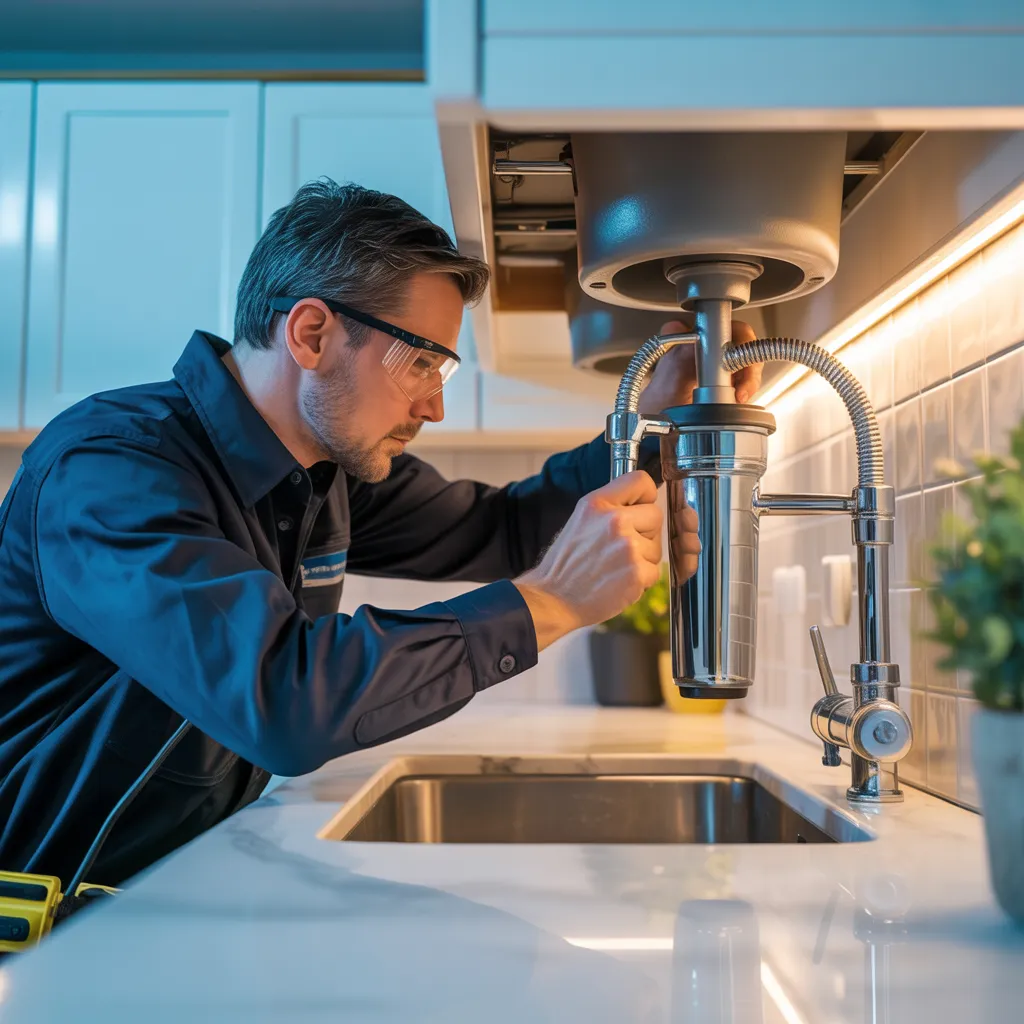
The Effects of High-Mineral Water on Your Home and Health
Hard water can cause damage on both home systems and personal health. The presence of high mineral content, particularly calcium and magnesium, leads to mineral deposits in pipes, appliances, and fixtures. This buildup not only reduces water flow but can also shorten the lifespan of water heaters and dishwashers, leading to costly repairs or replacements.
Considering individual wellness, hard water can cause skin irritation and dryness, as the minerals disrupt the natural moisture balance. Additionally, it may intensify conditions such as eczema. Hair can become brittle and dull, losing its natural shine. The taste of hard water can also be off-putting, potentially leading people to consume less, which is essential for proper hydration. Overall, the implications of hard water go beyond inconvenience, impacting both the structural integrity of home systems and the health of its inhabitants.
Signs You Might Want to Consider Getting a Water Softener
Is the water in a home leaving behind unsightly stains and mineral deposits? This is often a clear indicator that hard water is present, and it may be time to contemplate a water softener. Homeowners might also notice a decline in soap lathering ability, with soap and detergents requiring more product to achieve desired results. Additionally, dry skin and flat hair can reveal the effects of hard water, as minerals can strip moisture. Frequent buildup in appliances, such as dishwashers and water heaters, may lead to less efficient functioning and increased energy costs. If plumbing fixtures show signs of corrosion, the presence of hard water could be the factor. Finally, an unusual taste or odor in the water may further suggest the need for a water softening solution. Recognizing these signs can lead to a healthier and more efficient home environment.
Benefits of Putting in a Water Softener in Your Home
Installing a water softener can greatly enhance a home's overall quality of life, especially for those experiencing the harmful impacts of hard water. Hard water, rich in minerals like calcium and magnesium, can lead to scale buildup in plumbing, decreasing water flow and increasing maintenance costs. A water softener alleviates these issues, prolonging the lifespan of appliances such as dishwashers and water heaters.
Furthermore, conditioned water boosts the strength of cleansing agents, producing more sparkling plates and softer laundry. Skin and hair can also see improvements, as treated water lessens dryness and irritation caused by mineral content.
Furthermore, homeowners may notice a reduction in soap scum and mineral deposits on faucets and showerheads, easing cleaning tasks. Overall, the installation of a water softener not only enhances comfort and convenience but also contributes to long-term savings and improved health for residents.
Why Qualified Water Softener Installation Is Essential
Certified water softener fitting is necessary for numerous causes. Experts offer specialized know-how and skills that assure the system is fitted accurately, utilizing proper equipment. This not only improves performance but also enables lasting cost efficiency by curtailing the likelihood of future difficulties.
Advanced Knowledge And Skills
Navigating the difficulties of water softener fitting requires a deep knowledge of plumbing systems and water chemistry. Specialists have specialized knowledge that enables them to assess individual household needs efficiently. They are trained to identify the appropriate water softener model, ensuring compatibility with existing plumbing. Their expertise extends to understanding local water quality and the specific minerals present, which aids in selecting the most effective treatment solution. Additionally, experienced installers are acquainted with local codes and regulations, ensuring compliance and safety. This level of expertise minimizes the risk of issues such as leaks or inefficient operation, ultimately resulting in a more reliable and effective water softening system. Consequently, professional installation is crucial for ideal performance and longevity.
Proper Equipment Installation
Guaranteeing correct system setup is crucial for the optimal functioning of a water softener. Improper setup can lead to suboptimal performance, resulting in inadequate water treatment and potential damage to plumbing systems. Professionals possess the expertise to assess the specific needs of a household, guaranteeing that the water softener is properly dimensioned and located. They are familiar with local codes and regulations, which helps prevent legal issues and guarantees adherence. Additionally, skilled installers can identify potential issues, such as improper drainage or insufficient power supply, before they become problematic. By delegating setup to qualified professionals, homeowners can enjoy peace of mind, knowing that their water softening system will operate efficiently and promote a better quality of life.
Prolonged Investment Return
Proper tool installation sets the base for long-term economic savings in water softener systems. When handled by professionals, these systems run smoothly, cutting back on energy use and decreasing upkeep costs. A properly functioning water softener blocks limescale in pipes and appliances, increasing their longevity and improving efficiency. This not only reduces energy costs but also decreases the chances of costly fixes. Additionally, professional installation guarantees the system is tailored to specific requirements, preventing excessive salt and water consumption. In the end, investing in professional installation offers major long-term benefits, making it a prudent investment for homeowners seeking both immediate and long-term financial gains.
How to Choose the Best Water Softener for Your Home
When deciding on the best water softener for a home, what criteria should be examined to ensure optimal operation? First, homeowners should evaluate their water hardness level, typically calculated in grains per gallon, to figure out the appropriate capacity needed. This information helps in selecting a unit that can efficiently process the household's water usage.
The kind of water softener is essential afterward. Options include salt-based, salt-free, and dual-tank systems, each providing distinct benefits. Homeowners should also consider the size and installation space accessible, as some systems need more room than others.
Energy efficiency is another important element; opting for a model with a high-efficiency rating can result in lower operational costs. Finally, studying customer feedback and warranty options can provide insights into reliability and service quality. By accounting for these factors, homeowners can make an informed decision that best addresses their needs and boosts their home's water quality.
What Lies Ahead During the Setup Procedure?
Putting in a water softener involves several key steps that residents should prepare for. First, a professional will evaluate the pipe network to pinpoint the ideal installation location, often near the main water supply pipe. They will then shut off the water supply and flush the existing lines. Next, the installer will link the water softener to the configuration, guaranteeing proper alignment and secure fittings to stop seepage.
After connecting the unit, they will fill the brine tank with salt and program the system according to the particular water hardness levels. The technician will then perform a test cycle, checking for any concerns explore this topic or adjustments needed. Once everything is functioning correctly, they will furnish the homeowner with a brief overview of the system's upkeep and maintenance. This thorough strategy ensures that the installation is smooth, allowing homeowners to enjoy the benefits of softened water without hassle.
Strategies for Continuous Upkeep of Your Water Softener
Following water softener installation completion, routine maintenance proves critical for excellent performance. Periodically checking and adding salt to the brine tank remains necessary; this secures the softener functions with maximum efficiency. Users need to survey the salt level each month to avert low levels, which might impair the system's effectiveness.
Additionally, it is suggested to clean out the brine tank at least once annually to remove any sludge or impurities that may collect. Checking the resin beads for deterioration is also vital; replacing them every 5 to 10 years can help maintain peak performance.
Ultimately, arranging yearly expert inspections can detect any potential concerns early, guaranteeing the system operates smoothly. By following these maintenance recommendations, homeowners can lengthen the lifespan of their water softener and enjoy the benefits of softened water for years to come.
Regular Questions Posed
How Much Does Professional Water Softener Setup Typically Cost?
Professional water softener installation typically expenses between $500 and $2,500, depending on factors such as system type, installation complexity, and regional pricing. Property owners should get multiple quotes for accurate budgeting and selection.
Can I install a Water Softener Myself?
Yes, individuals can install a water softener themselves, as long as they have basic plumbing skills and tools. However, expert setup is suggested for ideal performance and to prevent potential problems during the installation process.
How much time will it take to finish the setup procedure?
The setup procedure typically takes between two to four hours, depending on the complexity of the plumbing and the type of system being installed. Adequate preparation and knowledge with plumbing can influence the overall time required.
Do Set Up Water Softeners Include Any Guarantees?
Yes, many installed water softeners come with warranties that protect against costs for parts and labor. The duration and coverage details differ depending on the manufacturer, so it's recommended to review specific warranty terms provided during the installation process.
What maintenance options Do professionals extend Post-Installation?
Professionals regularly extend maintenance services featuring scheduled inspections, salt replenishment, resin conditioning, and troubleshooting. They furthermore present quality assessments and adjustments to ensure peak functionality and longevity of the installed water softener system.